
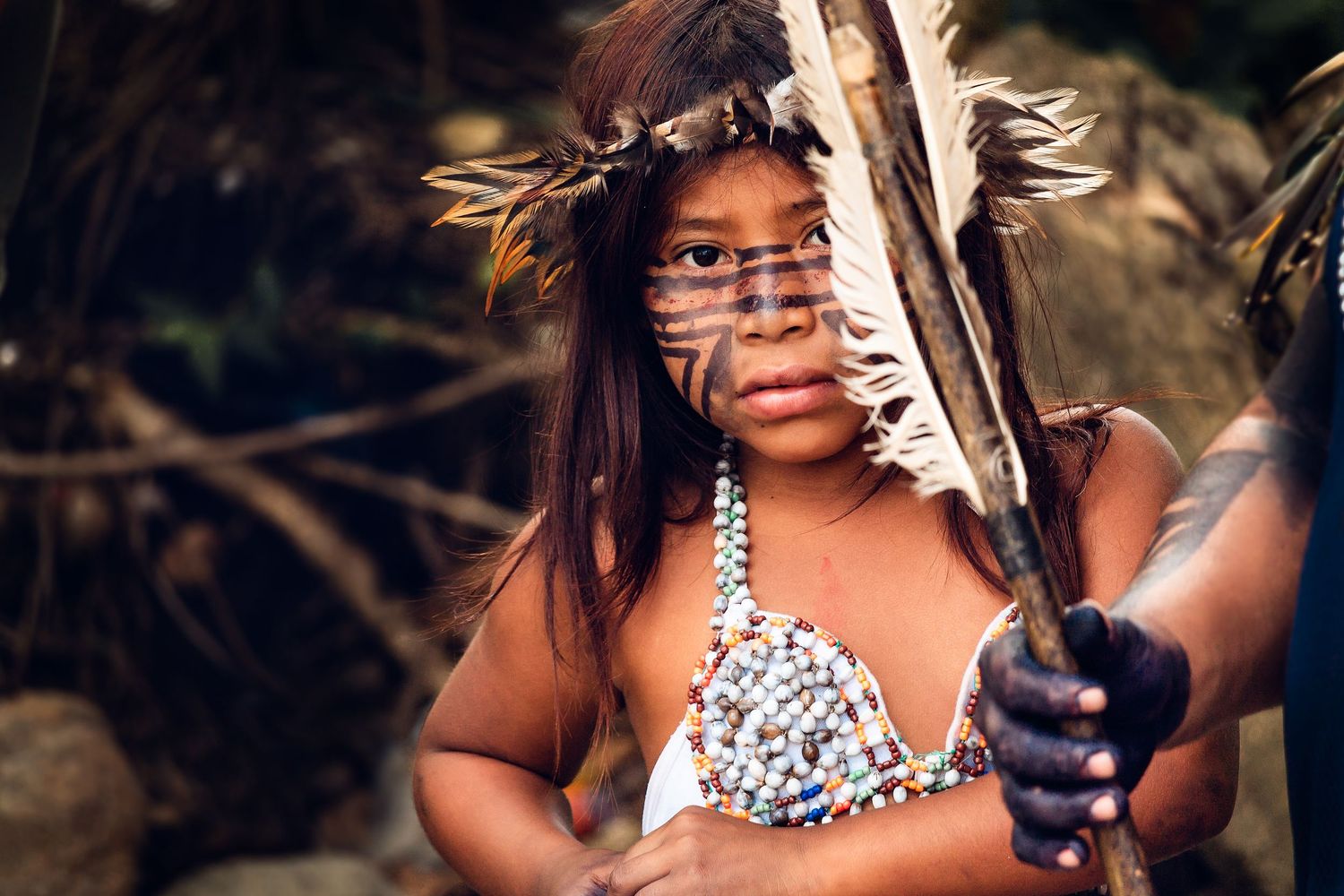
In 2017, I had the incredible privilege of visiting one of the few remaining indigenous territories in Brazil. You might imagine a long journey deep into the heart of the Amazon, but this village was actually right in my hometown.
The Tekoá Paranapuã village is located within the Xixová Japuí State Park, in São Vicente, on the São Paulo coast. This area is carefully preserved, and visits to the village are strictly controlled, allowed only with proper authorization. The community is small, with around 80 people in 21 families, and is dedicated to preserving its ancestral traditions and close connection with nature.
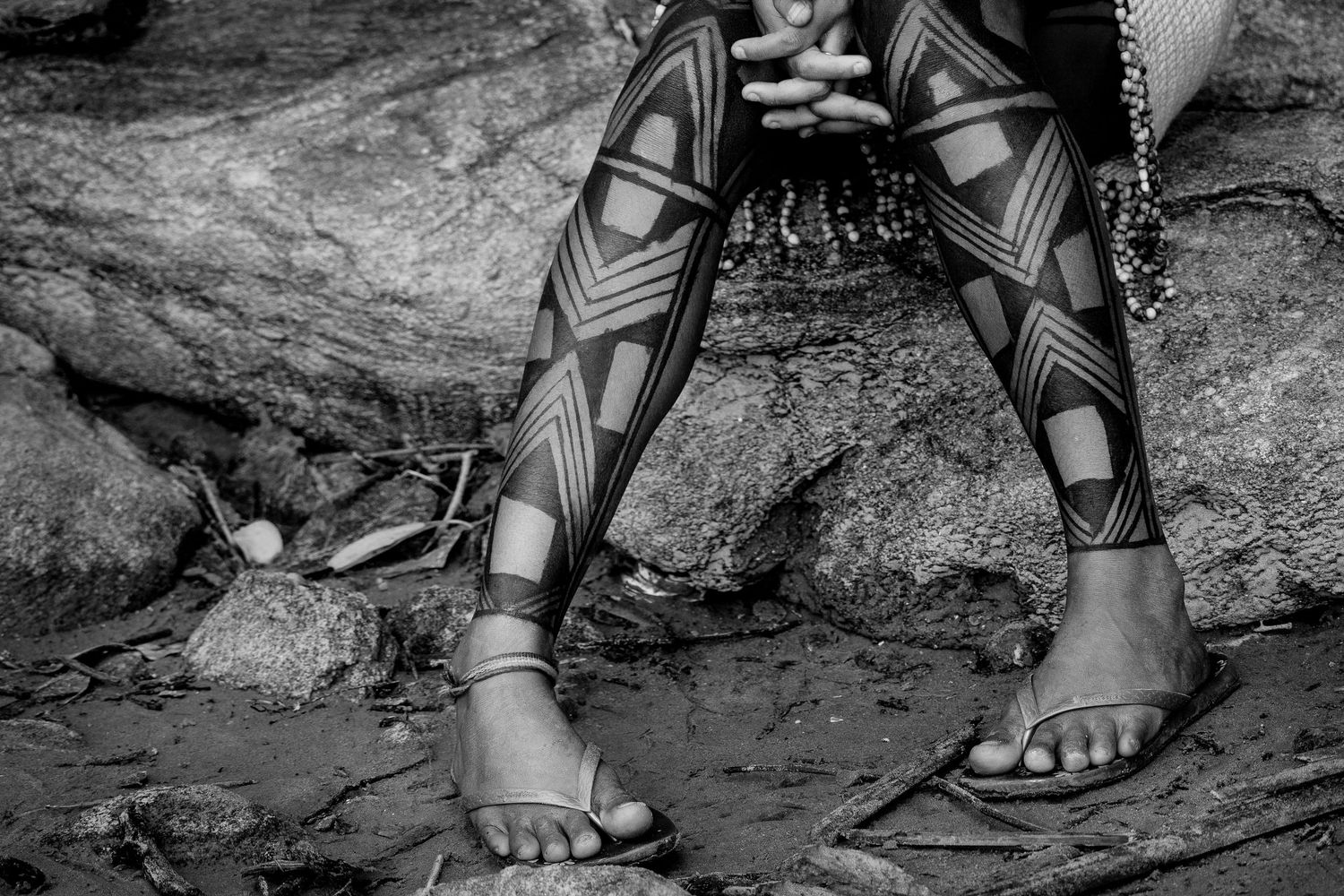
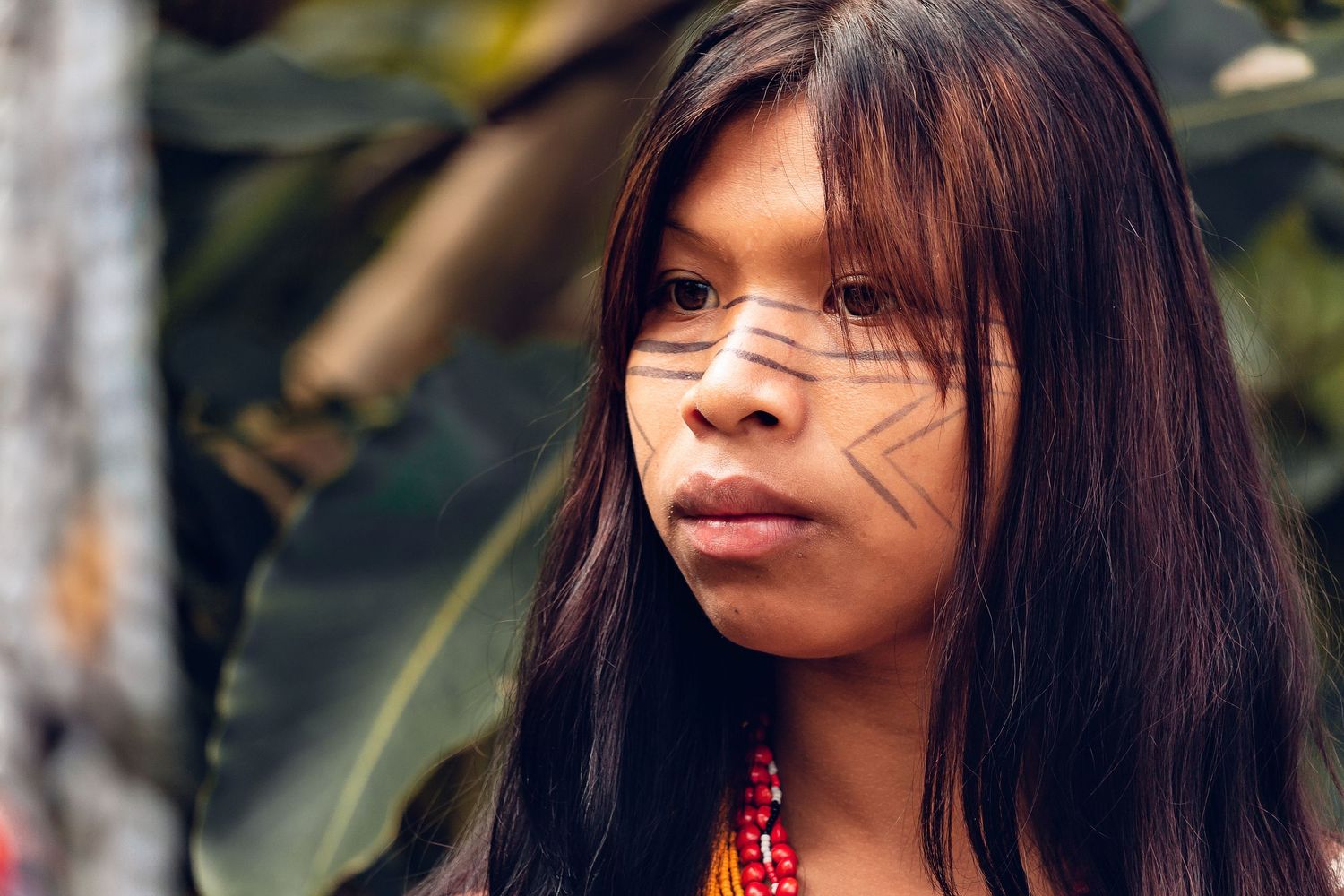
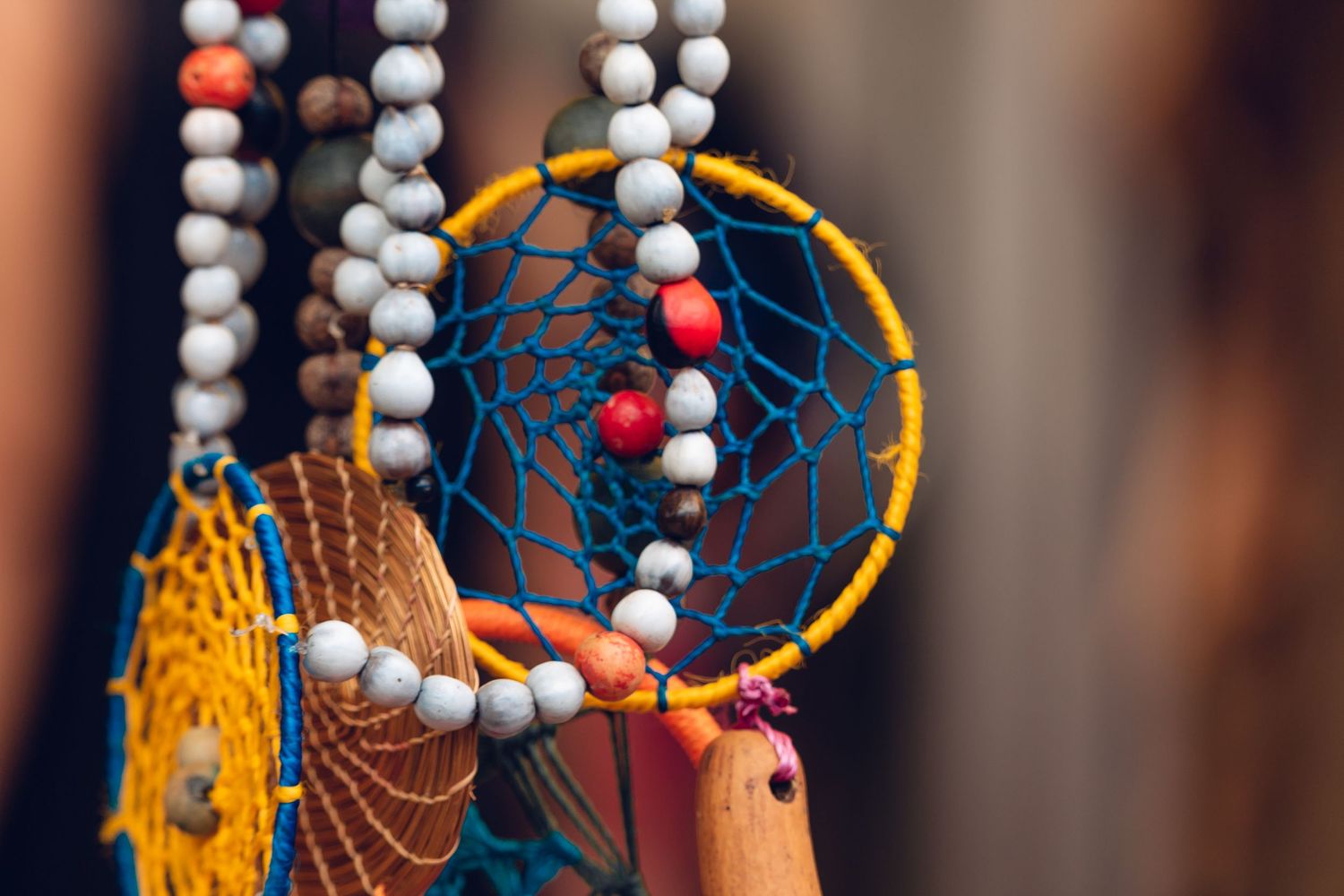
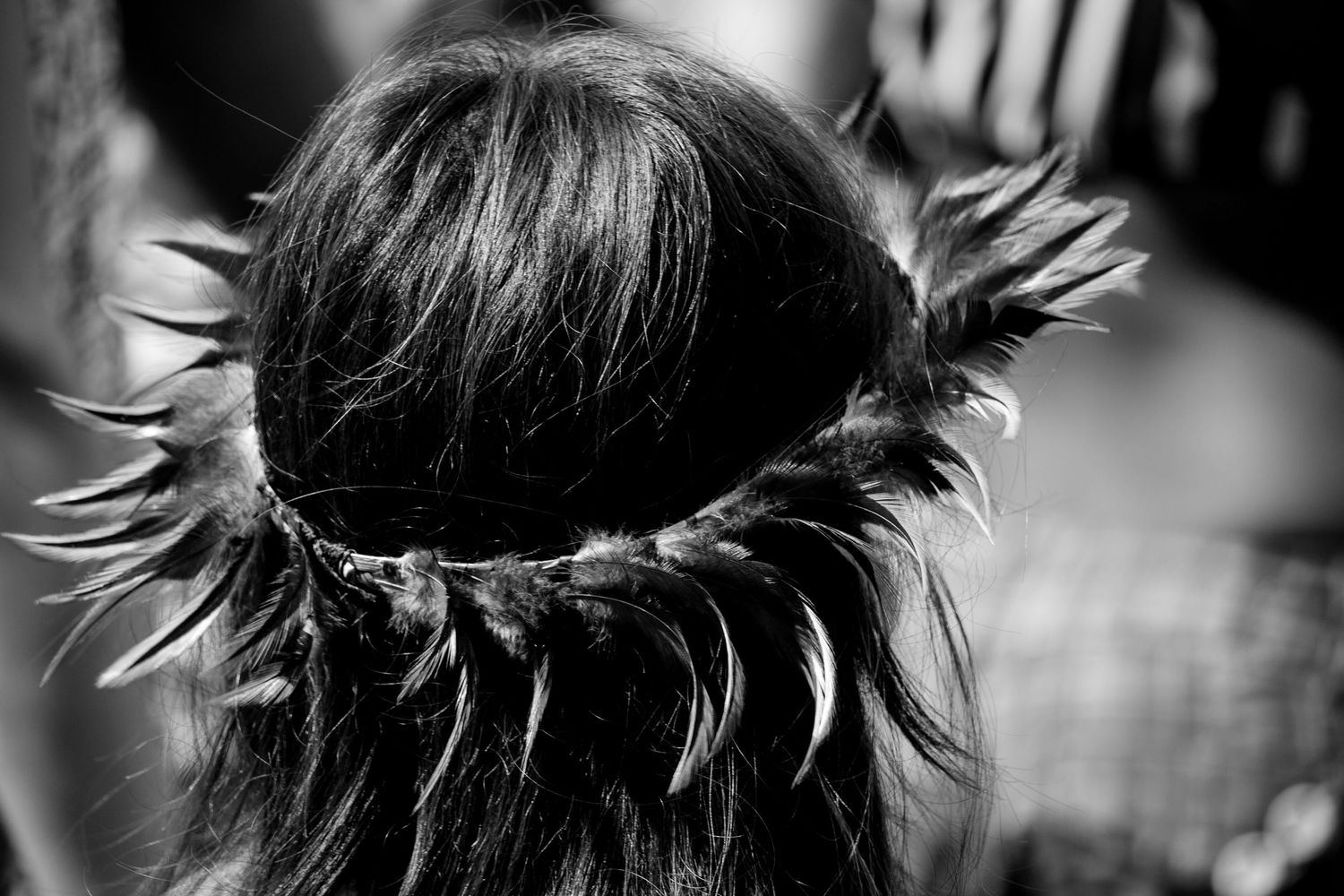
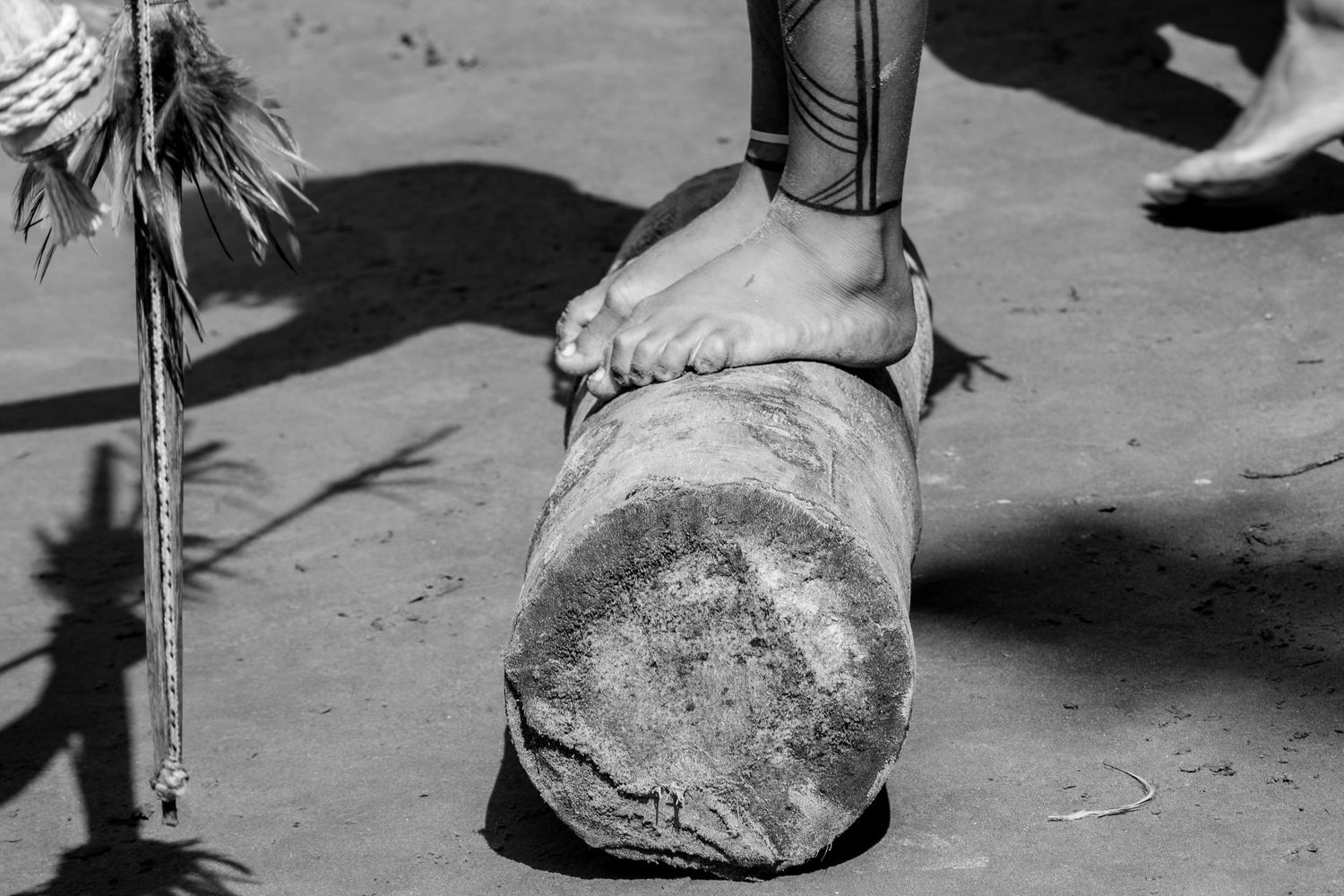
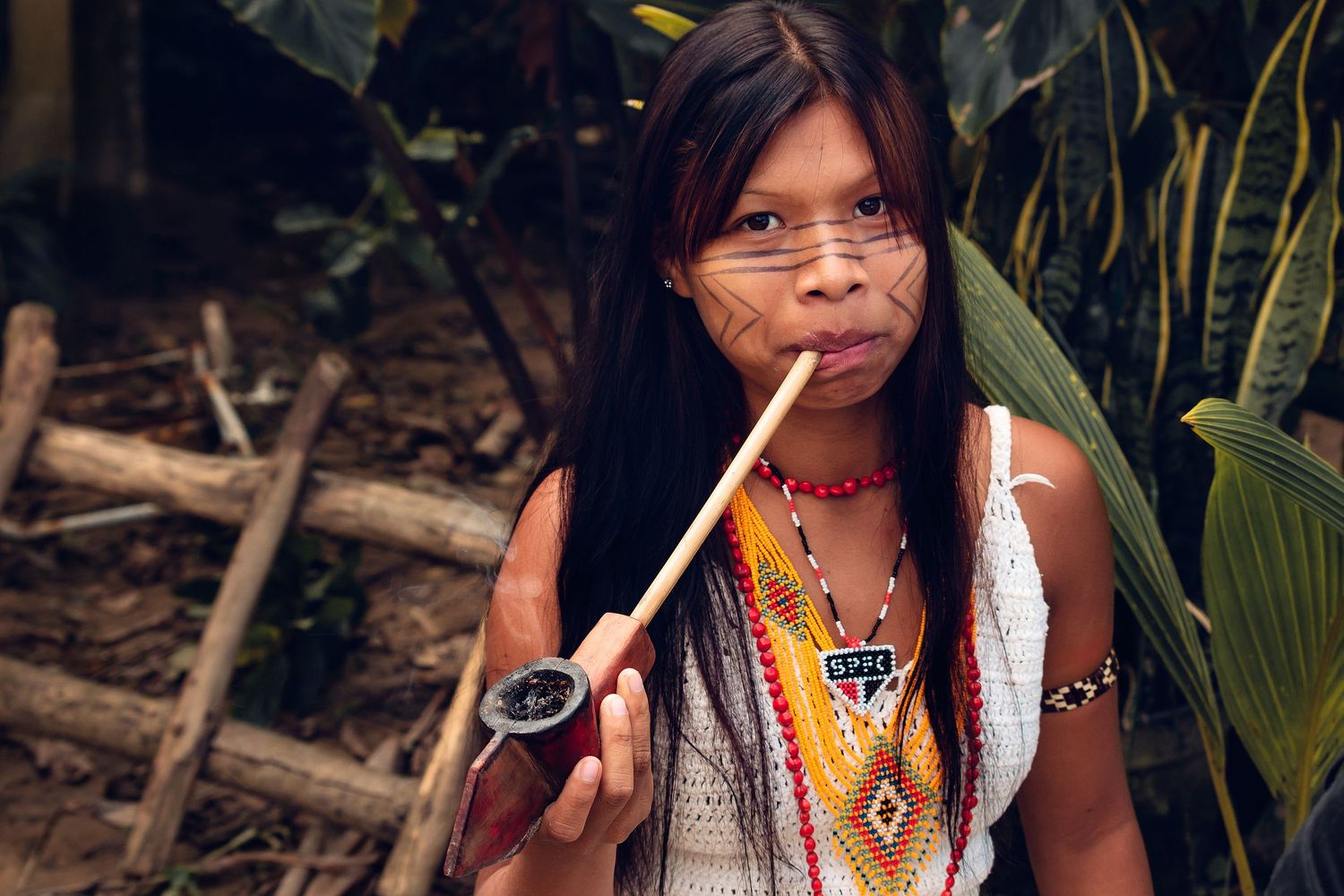
During my visit, I had the unique opportunity to observe and photograph their daily life, capturing moments of their rich traditions, intricate handicrafts, authentic culinary practices, and children learning to use traditional hunting tools. Each photograph tells a story of resilience, culture, and connection, offering a glimpse into a way of life deeply rooted in respect for the land and community.
The Tekoá Paranapuã tribe descends from the indigenous peoples who faced Portuguese colonization under Martim Afonso de Souza in 1530. You can imagine the tremendous cost that colonization had on the first peoples of Brazil. Even today, they continue to face challenges in maintaining their rights to their sacred territory. In 2004, the Tekoá Paranapuã community successfully reclaimed their land, a process guided by the cosmologies of the Guarani Mbya and Tupi Guarani peoples, which recognizes the traditional occupation of Tekoá Paranapuã by their ancestors.
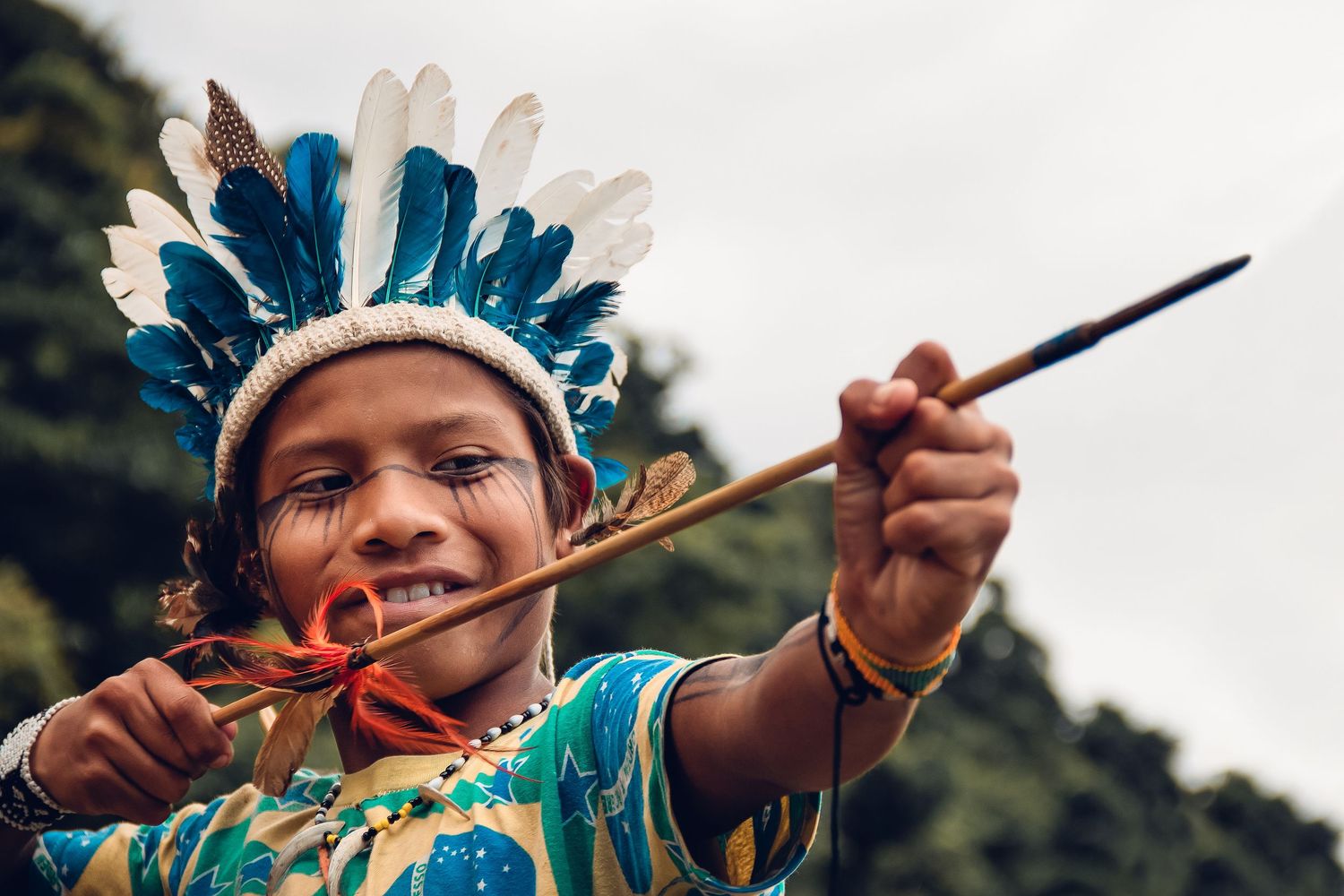
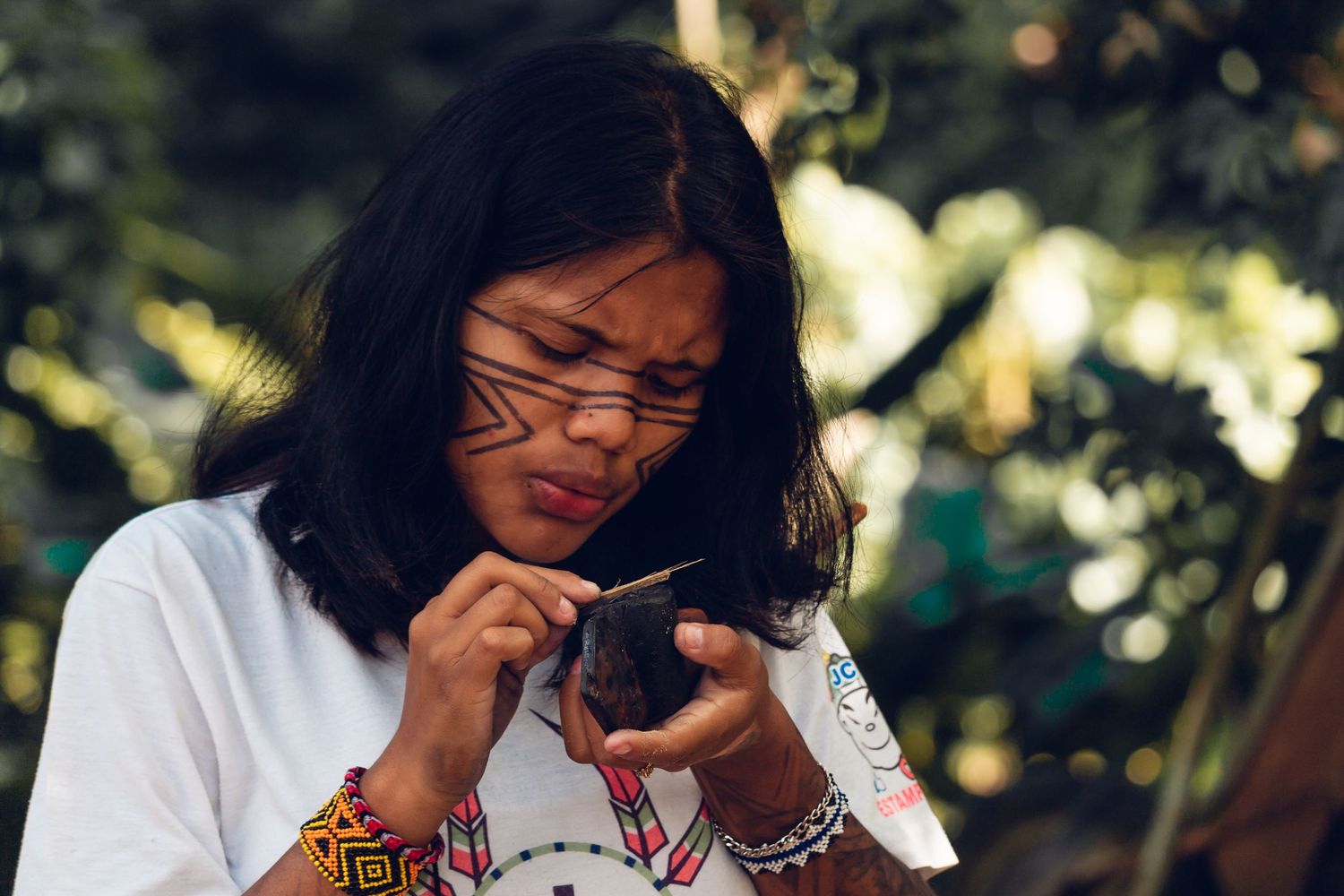
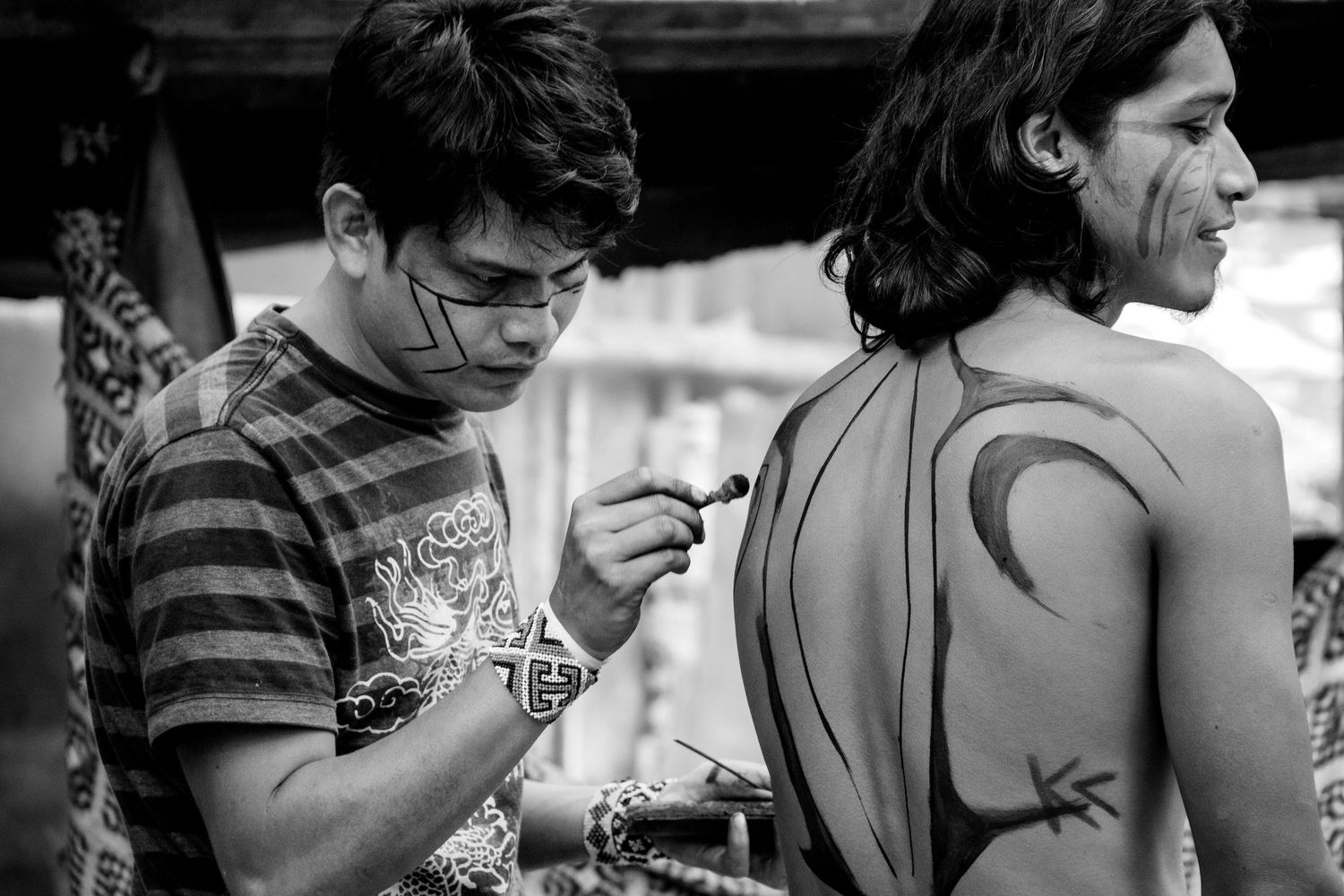
Despite these victories, rights violations still occur, and restrictions on their traditional way of life persist. For the Tekoá Paranapuã, their struggle is not only legal but also spiritual, as the territory represents a way of being, where culture, community, and nature are inseparable. Many families continue to produce traditional handicrafts, transmit knowledge to younger generations, and maintain practices that strengthen their cultural identity.
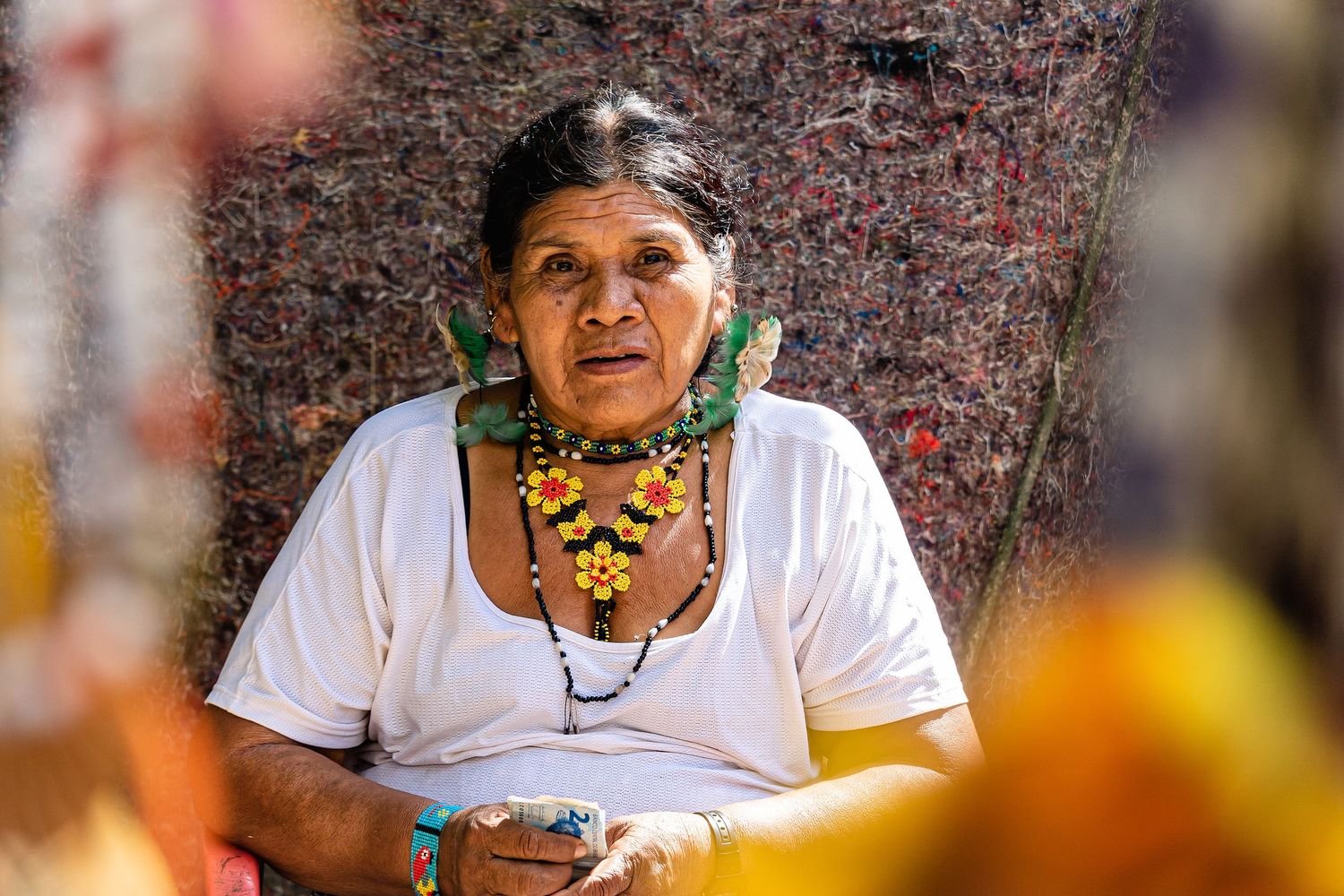
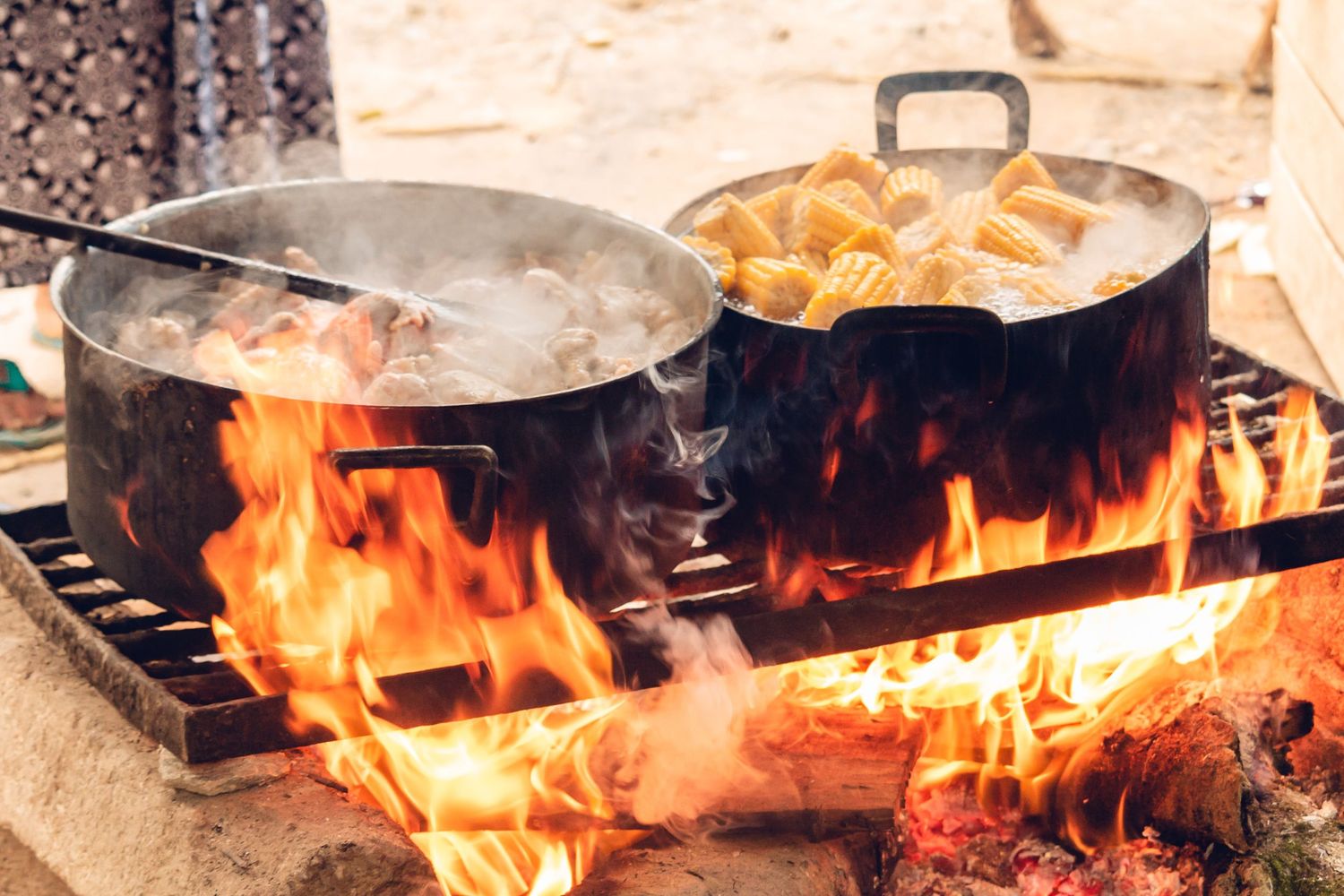
The term tekoá does not mean just “village” in the physical sense in Guarani, it represents the “place of the way of being”: the space that allows the Guarani way of life to be realized, including their social, religious, and cultural organization, as well as their relationship with nature.
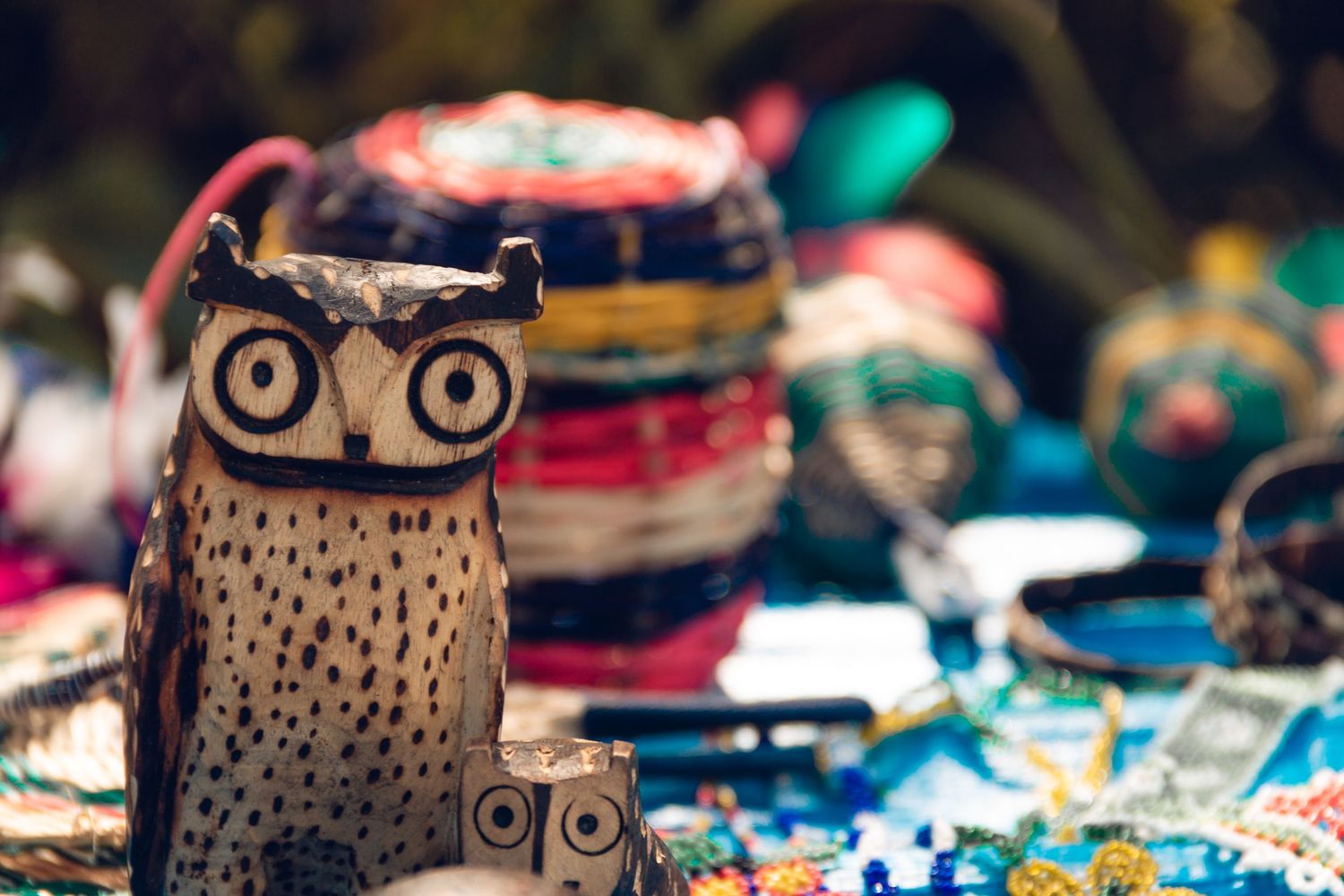
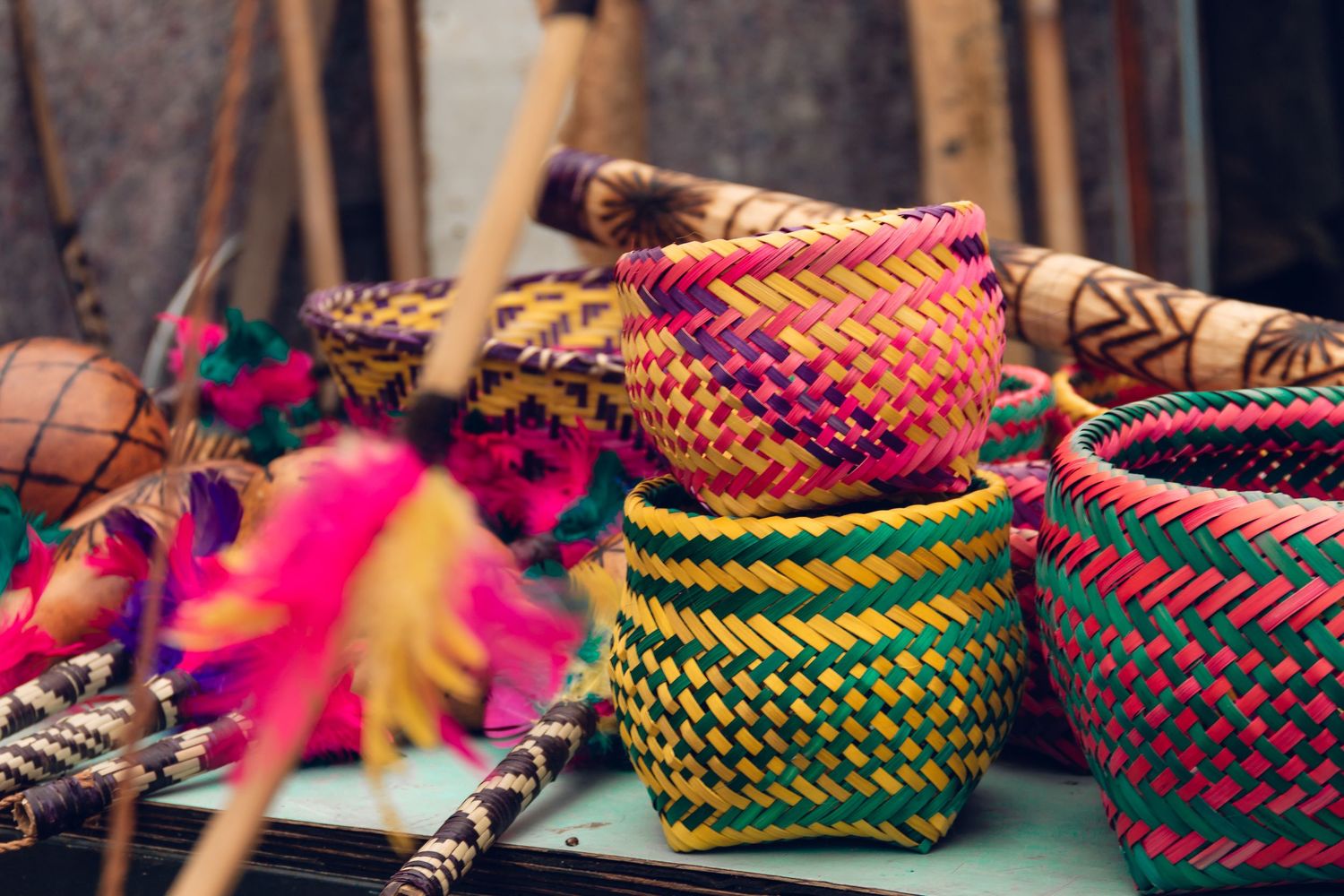
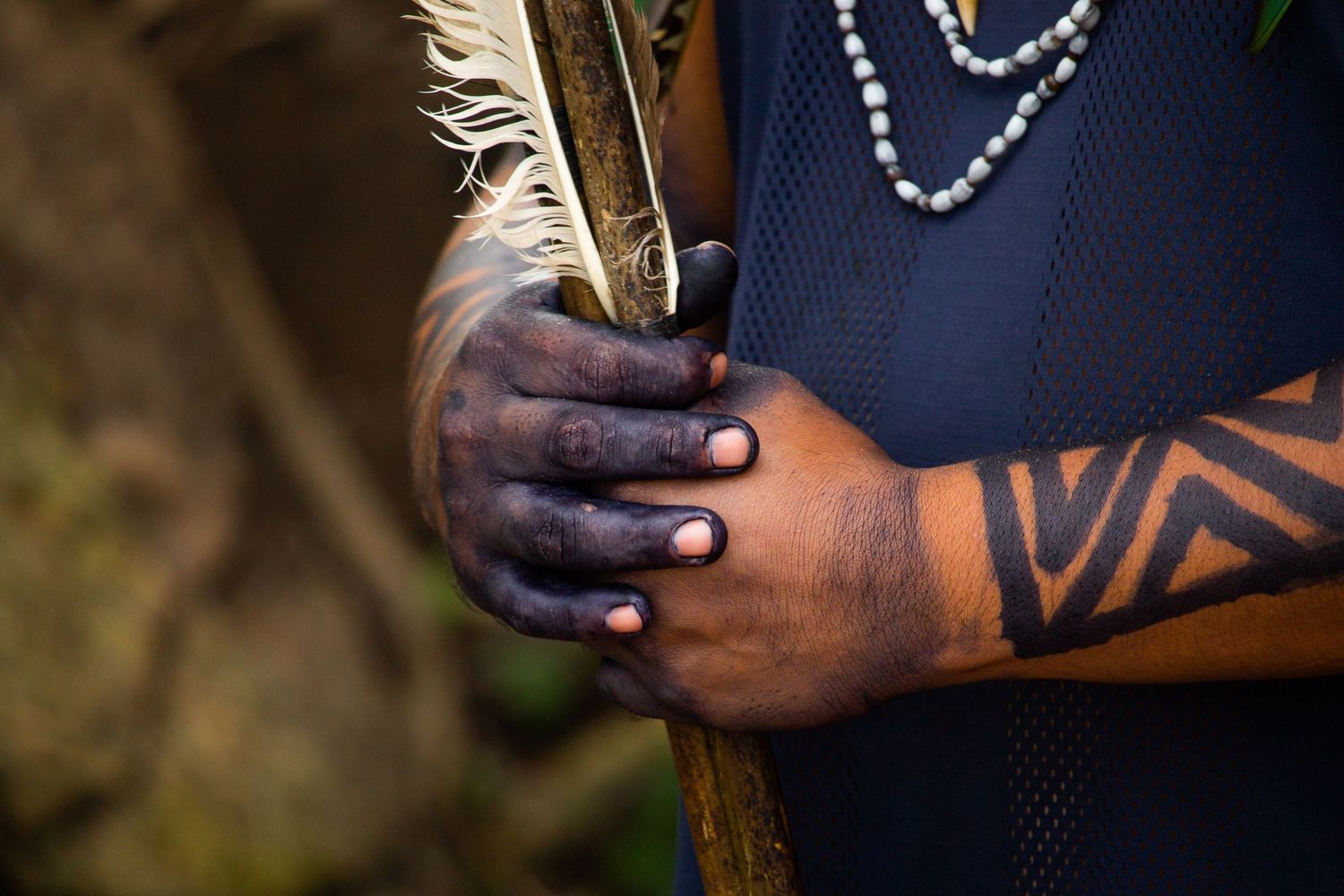
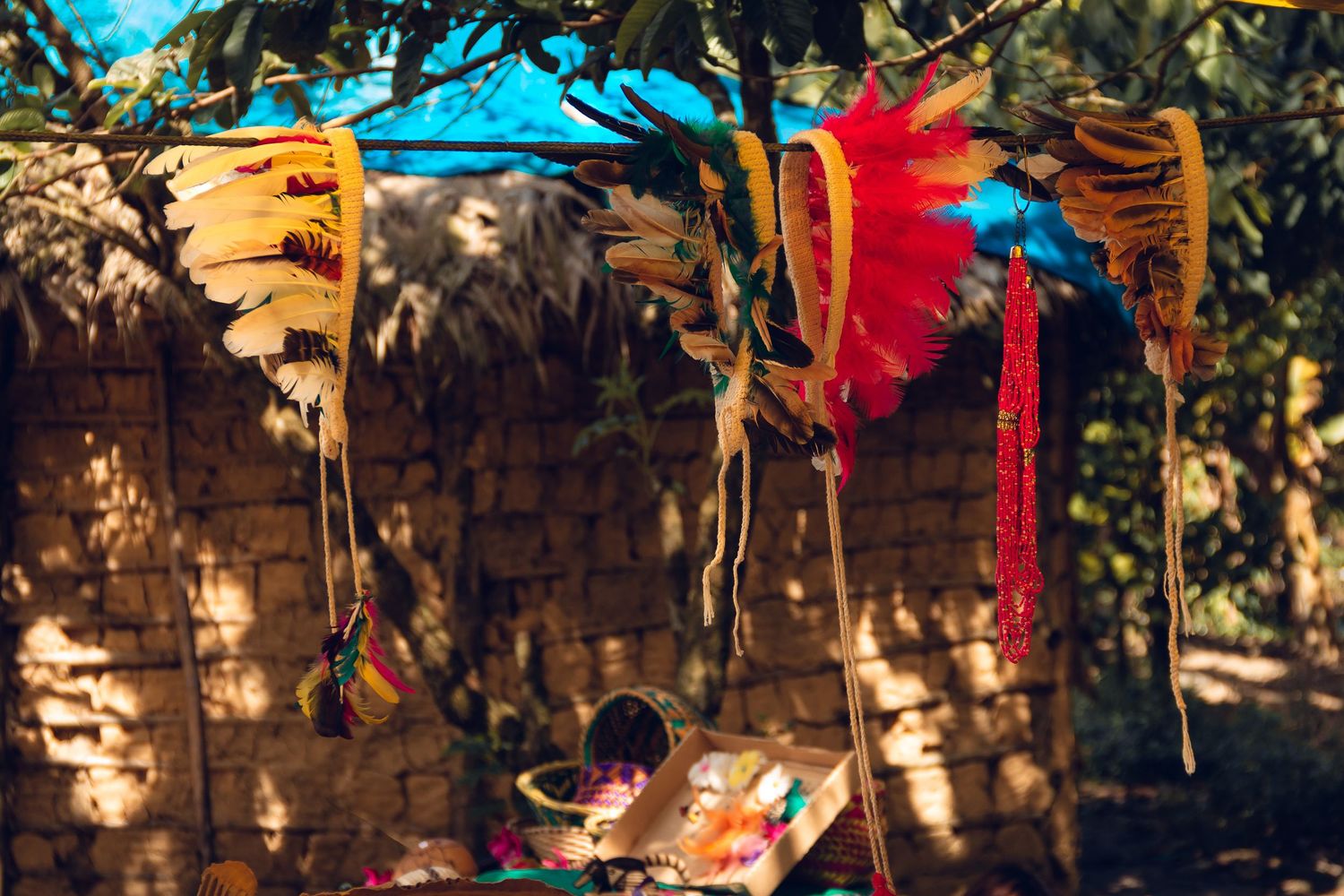
Visiting Tekoá Paranapuã reminded me how photography can tell stories beyond words, preserving moments of culture, tradition, and everyday life. Each image is a reflection not just of the people, but of a living heritage that continues to inspire and teach.
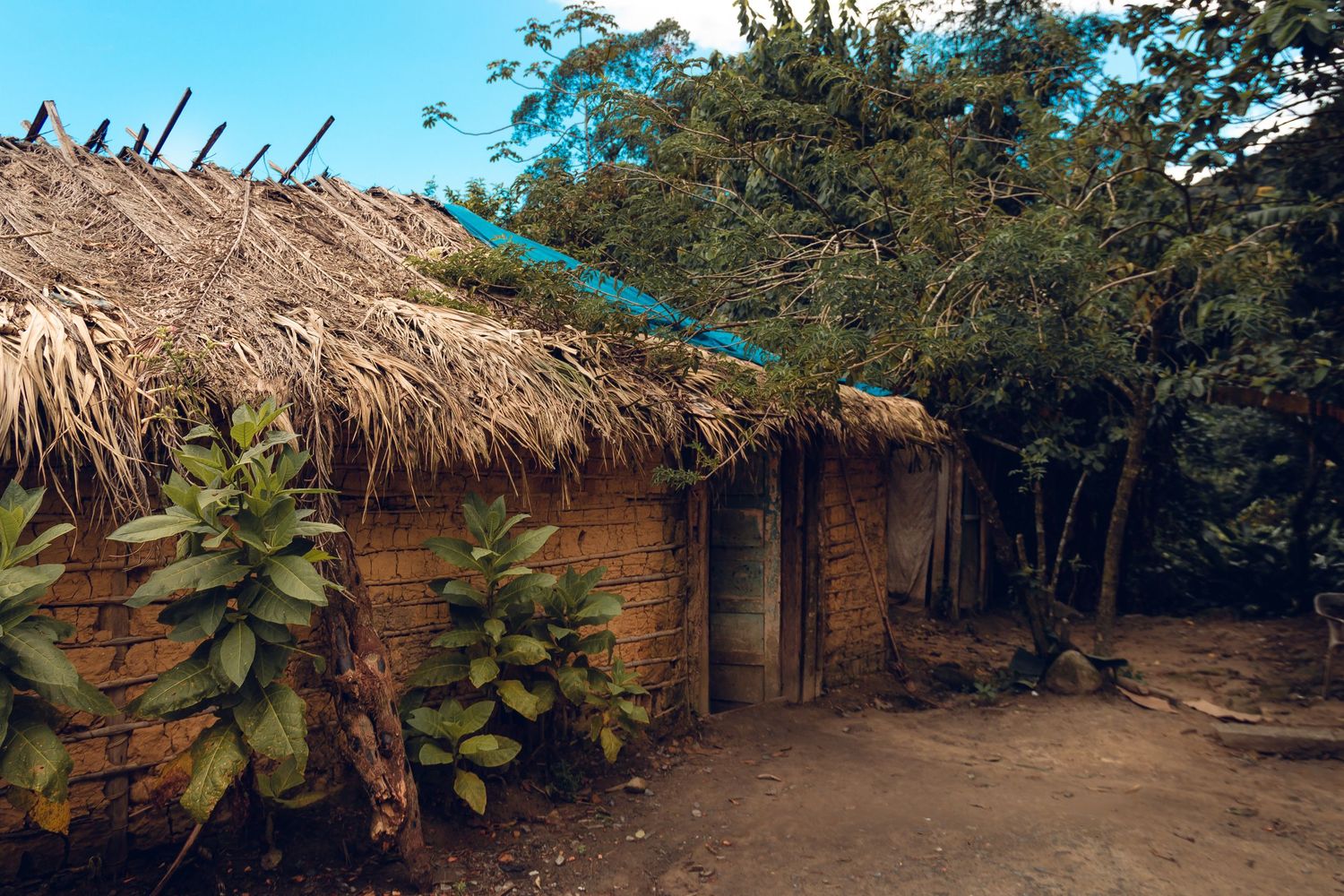
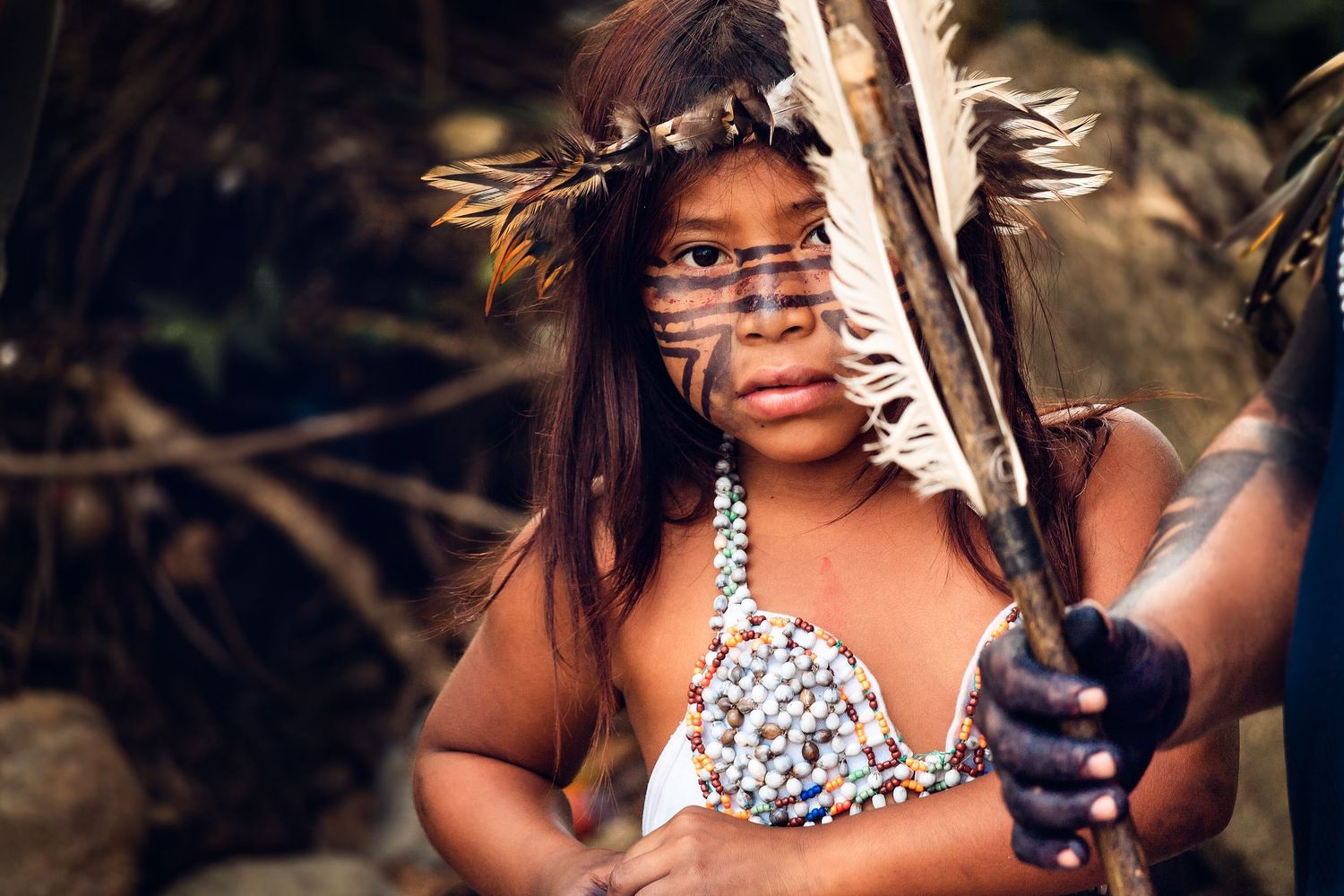
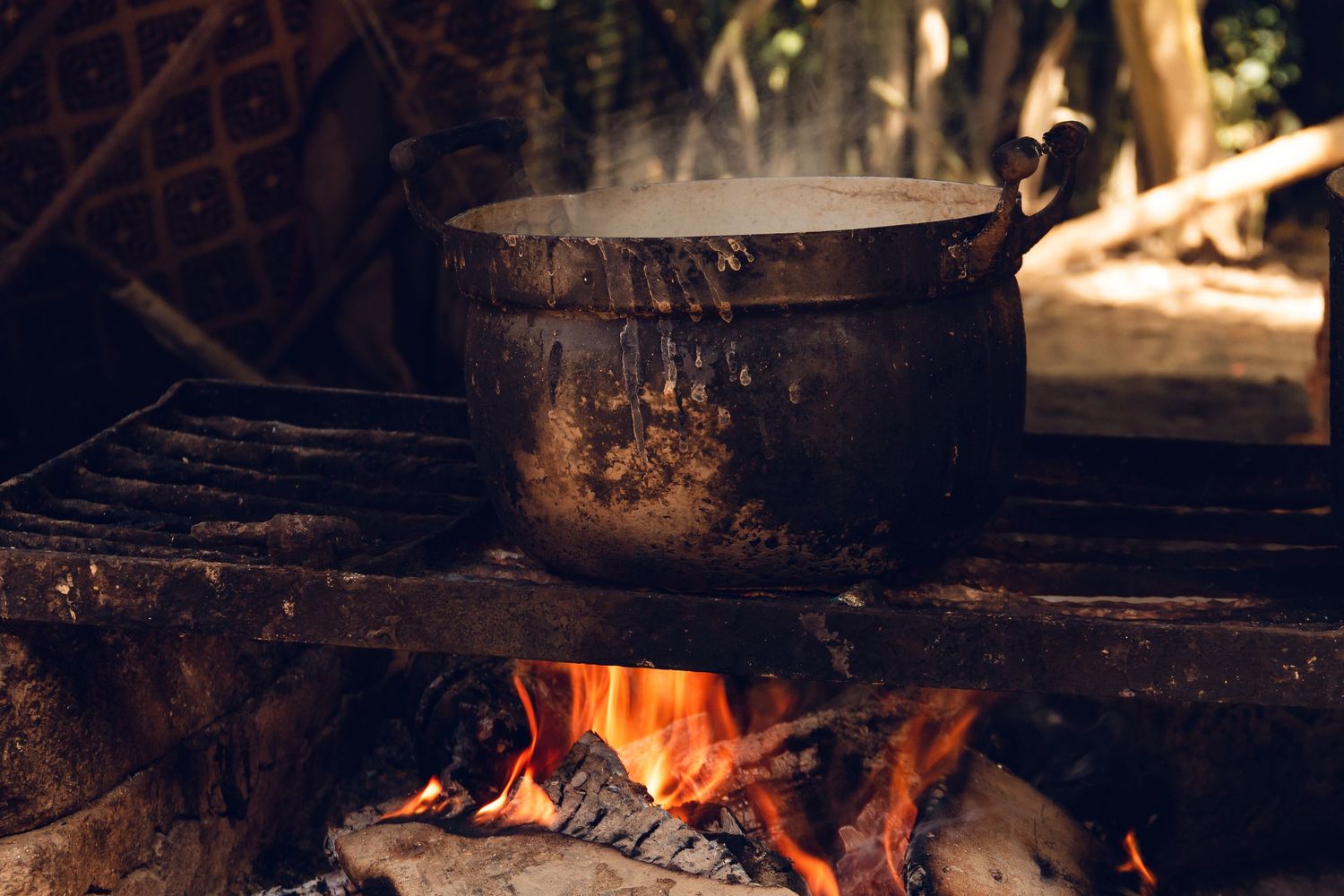
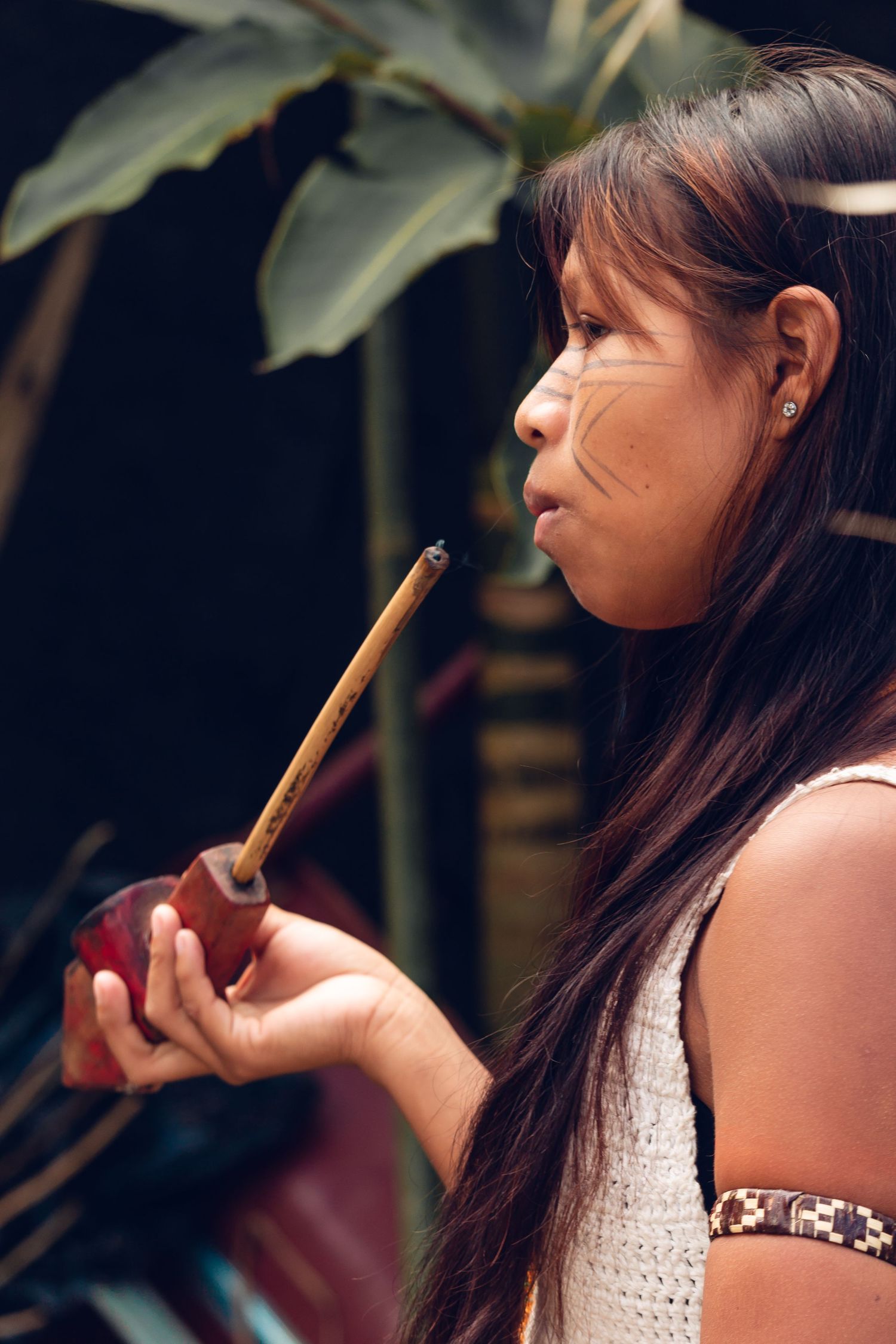
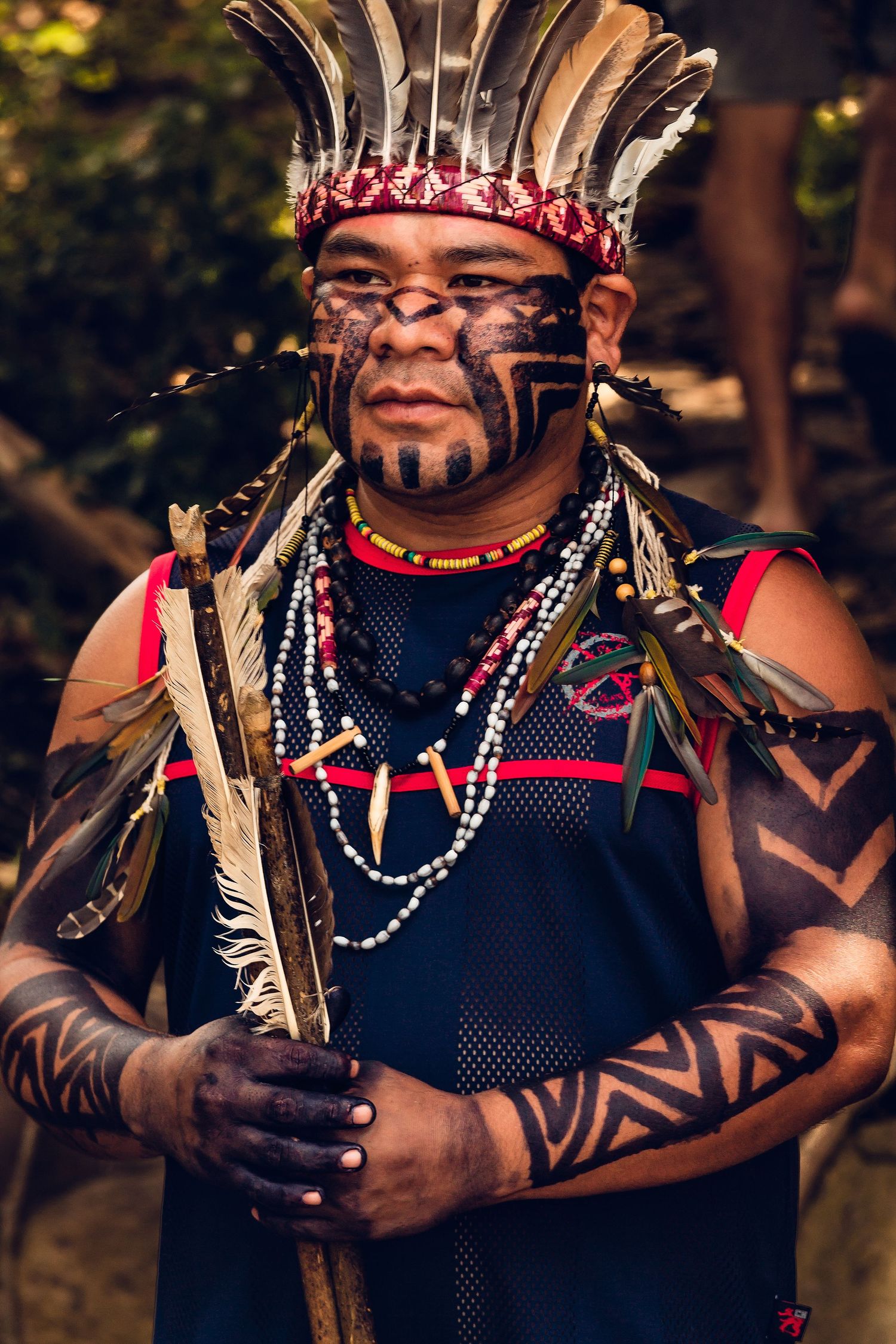
I am grateful to share a glimpse of this experience. Capturing the beauty of simplicity combined with the richness of their traditions was an unforgettable journey, both as a photographer and as a Brazilian. Through my lens, I aimed to honor the authentic spirit of the Tekoá Paranapuã people, their resilience, and their deep connection to the land.